I’ve spent years learning the game. Now I’m building ways to help other people understand it for themselves.
I’m Dejan Carlisle-Miller, known in gaming as Coach Cosmic. I’m a U.S. Army veteran, esports coach, educator, and curriculum developer. Through COS:CORE, I’m bringing the competition, the coaching, and the education into something people can practice, question, and build on.
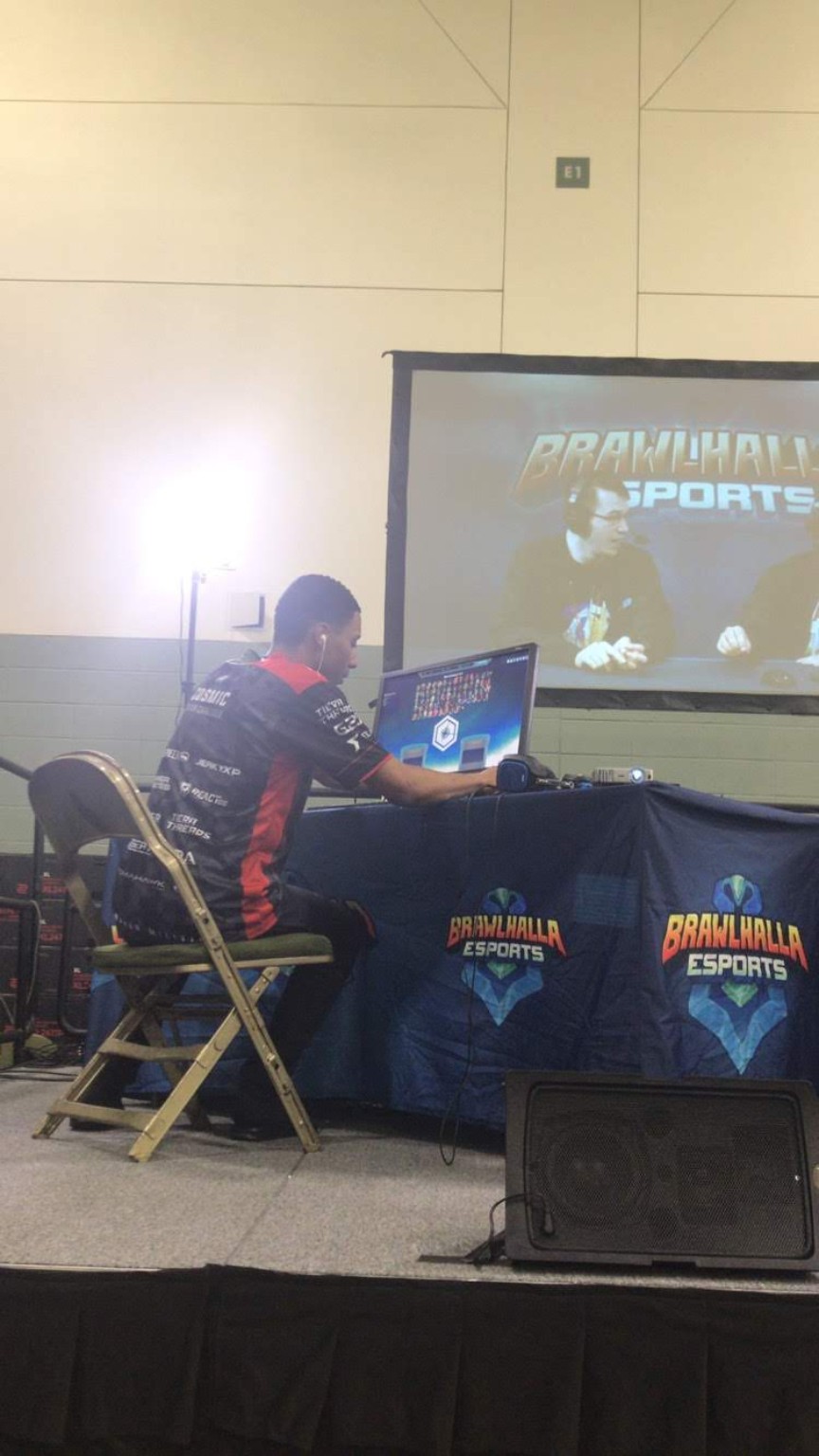
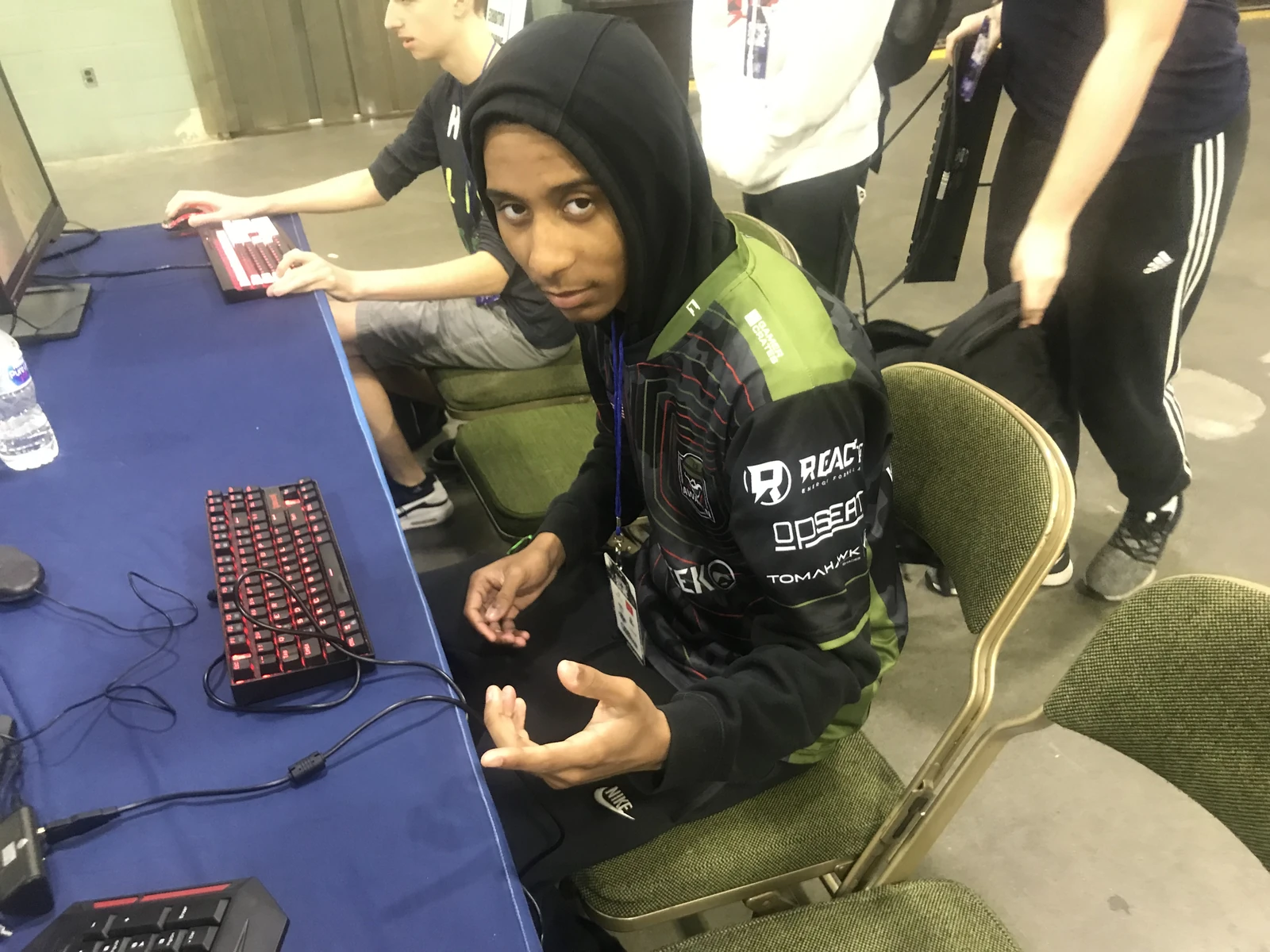
um i used to compete in Injustice in Naruto and Tekken so when i competed in those games i was playing Tekken for a really long time and then my Tekken got corrupted and my friend said he had a free a free-to-play game and it was Brawlhalla and ever since then which was like 2018 i would say yeah and ever since then i just been playing it
i was i competed for 2018 and 2019 and at the end of 2019 i took a break but i never took a break learning the game yeah i really found the passion in learning the game and explaining it in a very in-depth way which then made me partake in coaching and ever since then i've been coaching
okay but i've also coached very new players and players that are just getting into the game or just getting into like the one percent which is diamond just getting it to plat just it varies depending on who has their needs
Experience becomes valuable when you can pass it on.
My path runs through competitive gaming, the Army, and education. I came up in fighting-game communities where you play, study, ask questions, and come back to the same problem until something starts making sense.
Being able to do something and being able to teach it are different skills. As a coach, I have to understand where the player is getting stuck and help them find a way through it.
That is why the work grew into guides, practice systems, and curriculum. I wanted people to understand the reasoning behind the answer. Independent coaching, team coaching, volunteer collegiate work, and the classroom have all added something to that approach.
The person in front of me still comes first. What do they understand? What keeps happening? What can we work on next? I want them to leave with something they can use without me standing over them.
The route behind the work
A practitioner’s path into esports education.
I built my route through competition, military service, coaching, classroom work, and continued study. I’m taking what those experiences taught me and putting it into the curriculum and systems I create.
Years of experience have given me plenty to learn from. They’ve also given me more questions. My certification collection is part of that continued enlightenment, more tools to bring back into the work.
I’ve put this path together piece by piece. Teaching and assessment help me understand learning. Coaching and communication help me work with people. AI, IT, and project management help me build. Marketing and business help me get the work into the right hands.
The connection between those fields is what matters to me. I see a problem while competing, coaching, or teaching. I study it, try an approach, and see what happens. COS:CORE is where I’m turning that process into work other people can learn from.
Two routes into the field · structure and application
Dimension
An esports degree pathway
My documented route
Learning structure
A university-designed curriculum, with a defined academic program and degree outcome.
An independently assembled portfolio of focused courses, specializations, professional certificates, and applied experience.
Practical experience
Programs can integrate internships, industry projects, and practical work in management, media, or performance.
Competition, independent and team coaching, volunteer collegiate coaching, classroom experience, and community teaching.
Professional direction
A degree track can organize study around esports management, production, media, or related disciplines.
My focus connects competitive player development with teaching, curriculum design, AI-supported tools, and educational program building.
Work to examine
Academic projects, internships, and graduate portfolios vary by program and individual.
Original Steam guides, The Brawlhalla Handbook, the FGC Framework, coaching testimonials, and the eSpotz Academy partnership.
If you’re a player, parent, educator, or someone who wants to build with me, look at the work. Read the guides, see how I organize practice, and hear from people I’ve coached.
Competition gave me the questions. Coaching made them practical. Education helps me build the answers.
Degree-path examples are informed by the published programs at Shenandoah University and Harrisburg University. This comparison describes routes and documented work, rather than ranking individual graduates.
From competing to teaching. From teaching to building.
The foundation
Competition, service, and a teaching mindset
Fighting games gave me years of decisions to study under pressure. Army service is another part of my background. Coaching and education are where I bring those experiences into the work today.
2019 to 2021
Putting the knowledge where players could use it
My Steam work includes Enlightenment of the Meta, first published in 2019, followed by guides on learning the game, the pros, the player base, and player development. The coaching, the YouTube videos, and the guides let people see what I was teaching and put it to use.
In 2022, I was named as a coach on the Obey Rising Stars roster. In 2023, Coach Carnage and I published The Ultimate 2v2 Guide. We put the focus on how two players communicate, make decisions, and work together.
Working with collegiate players and in the classroom kept pushing me to understand how people learn. That question is behind the lessons, practice, review, and reflection in COS:CORE. The work now includes curriculum development with eSpotz Academy and live educational offerings through Wimzee.
The eSpotz Academy partnership takes COS:CORE into courses for competitive gamers. The goal stays the same: understand your decisions, practice with purpose, and learn how to keep improving. COS:CORE Competitive Foundations is published in the Spawn tier on eSpotz. View the published course ↗
The 153-page Brawlhalla Handbook and 62-page FGC Framework: Dynamic Edition put more of the approach in people’s hands. With The Forge, I’m also building around the wider ecosystem: tracking competitive activity, making the work visible, and helping the scene connect.
I was competing before 2019. The way I coach today grew alongside years of playing, reviewing, making adjustments, and learning across fighting games.
49Recorded competitive placements
2First-place finishes in the index
28Finishes of 25th or better
2500+Account Elo shown across multiple seasons
These are parts of my Brawlhalla history: event placements and ranked milestones from different seasons. They give some context to the experience I bring into coaching routes, understanding opponents, staying composed, and practicing with a purpose.
Placement record
Conservative total from my compiled historical record.
49 indexed placements by finishing position
Finish
Number of finishes
1st
2
5th
2
7th
5
9th
5
13th
2
17th
5
25th
7
33rd
3
49th
3
65th
8
97th
4
129th
2
193rd
1
Total
49
Ranked milestones
Historical Brawlhalla snapshots, with account Elo and legend ratings kept distinct.
Season-specific historical results
Season
Recorded result
Season 11
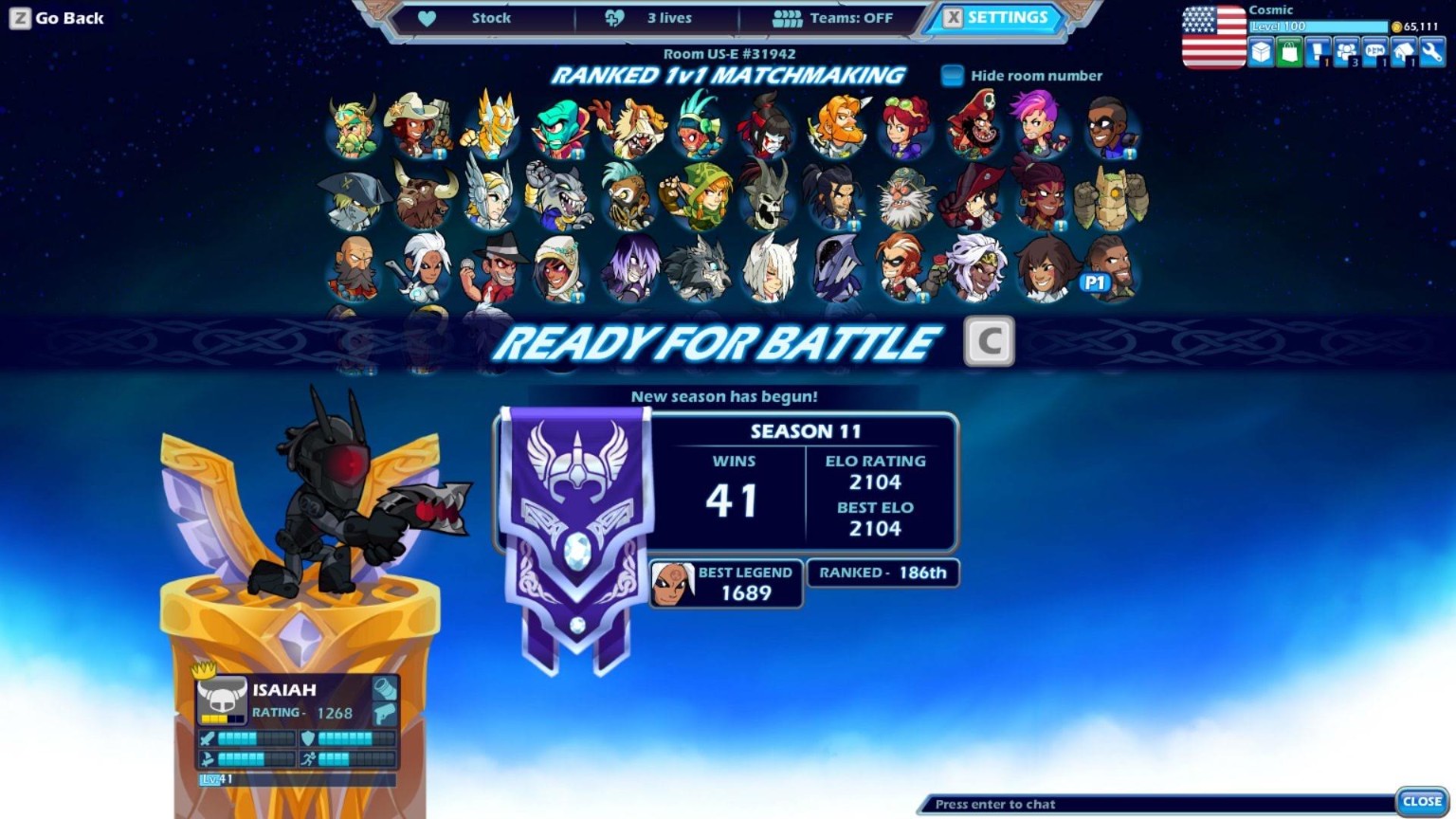
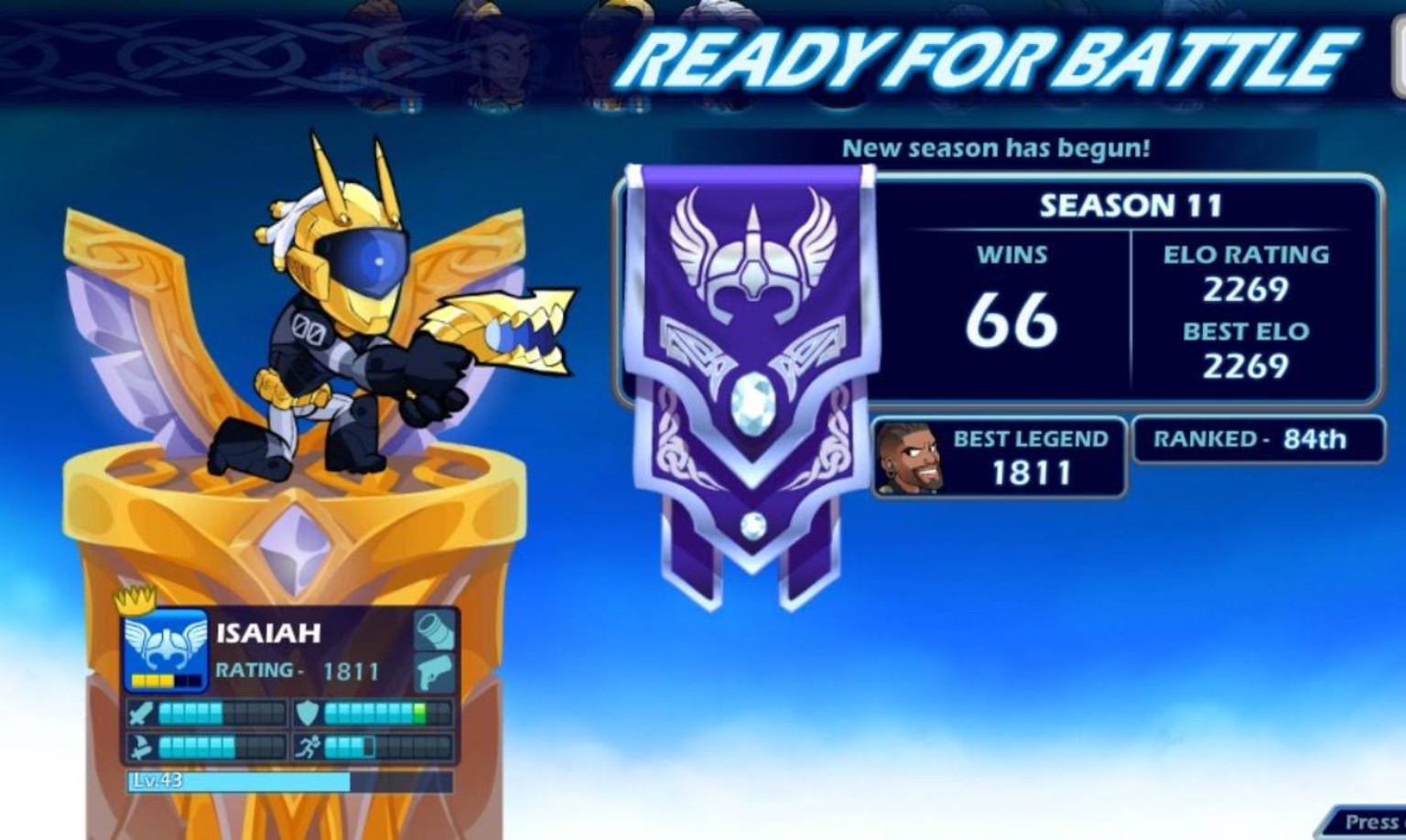
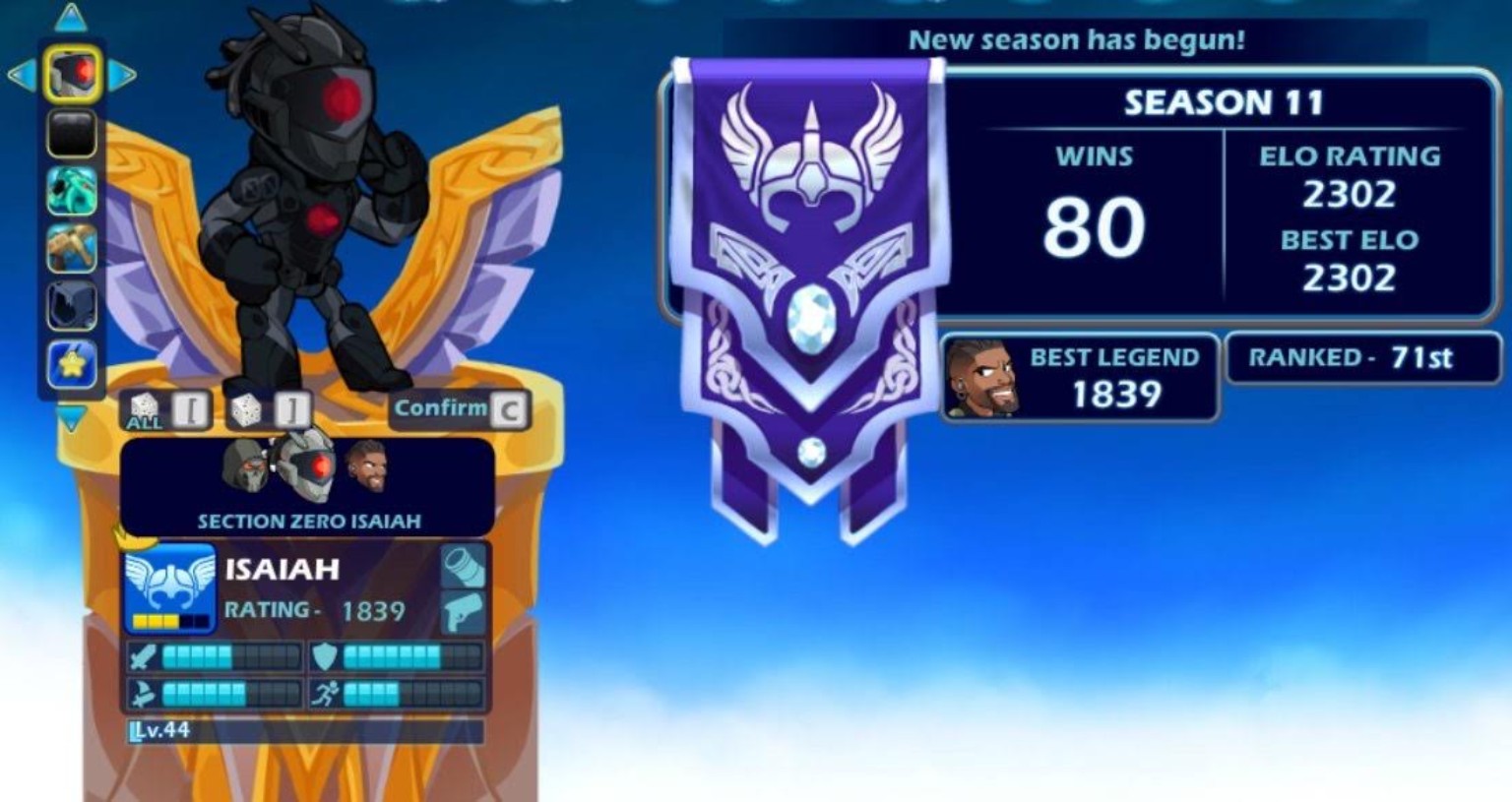
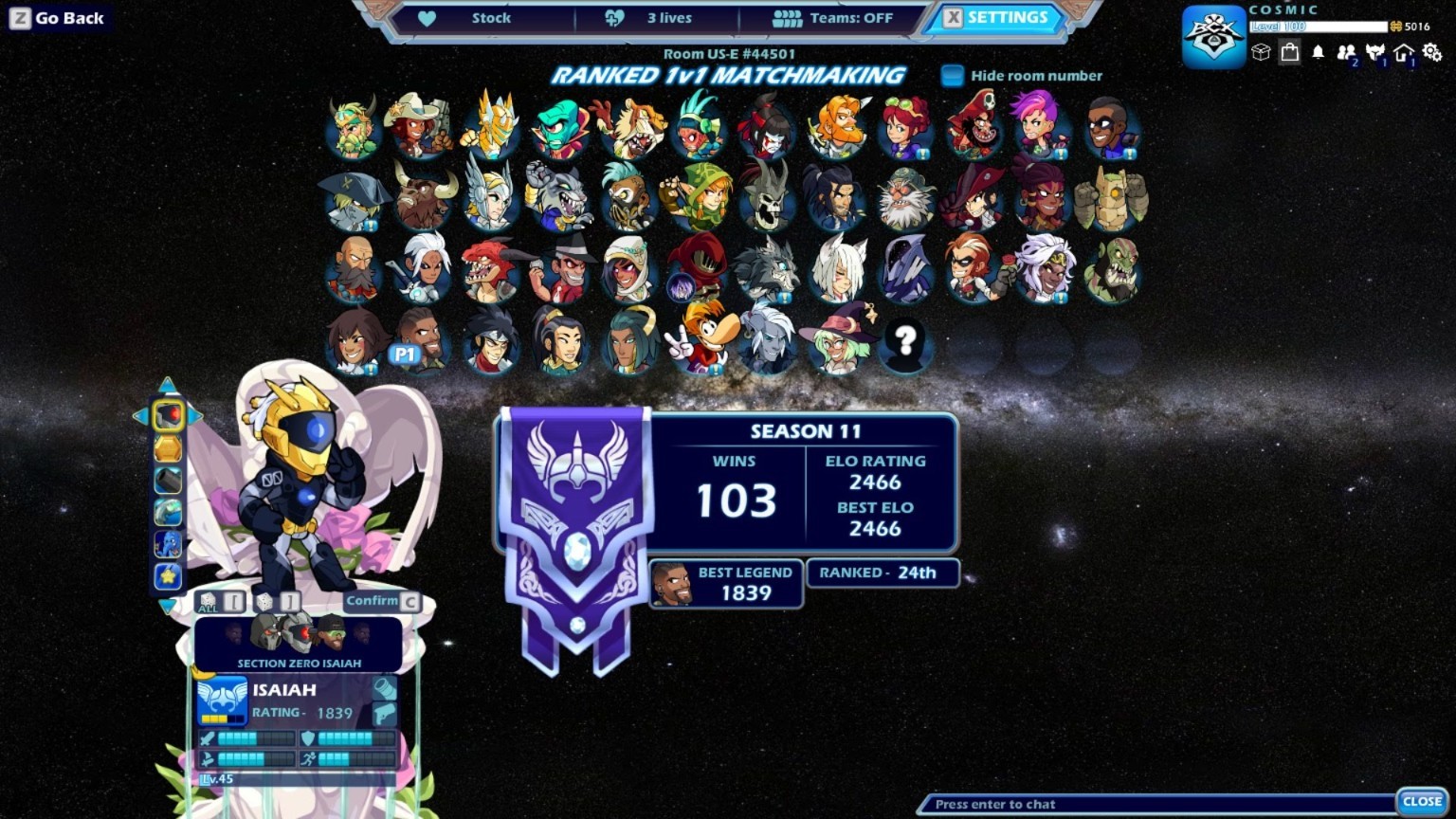
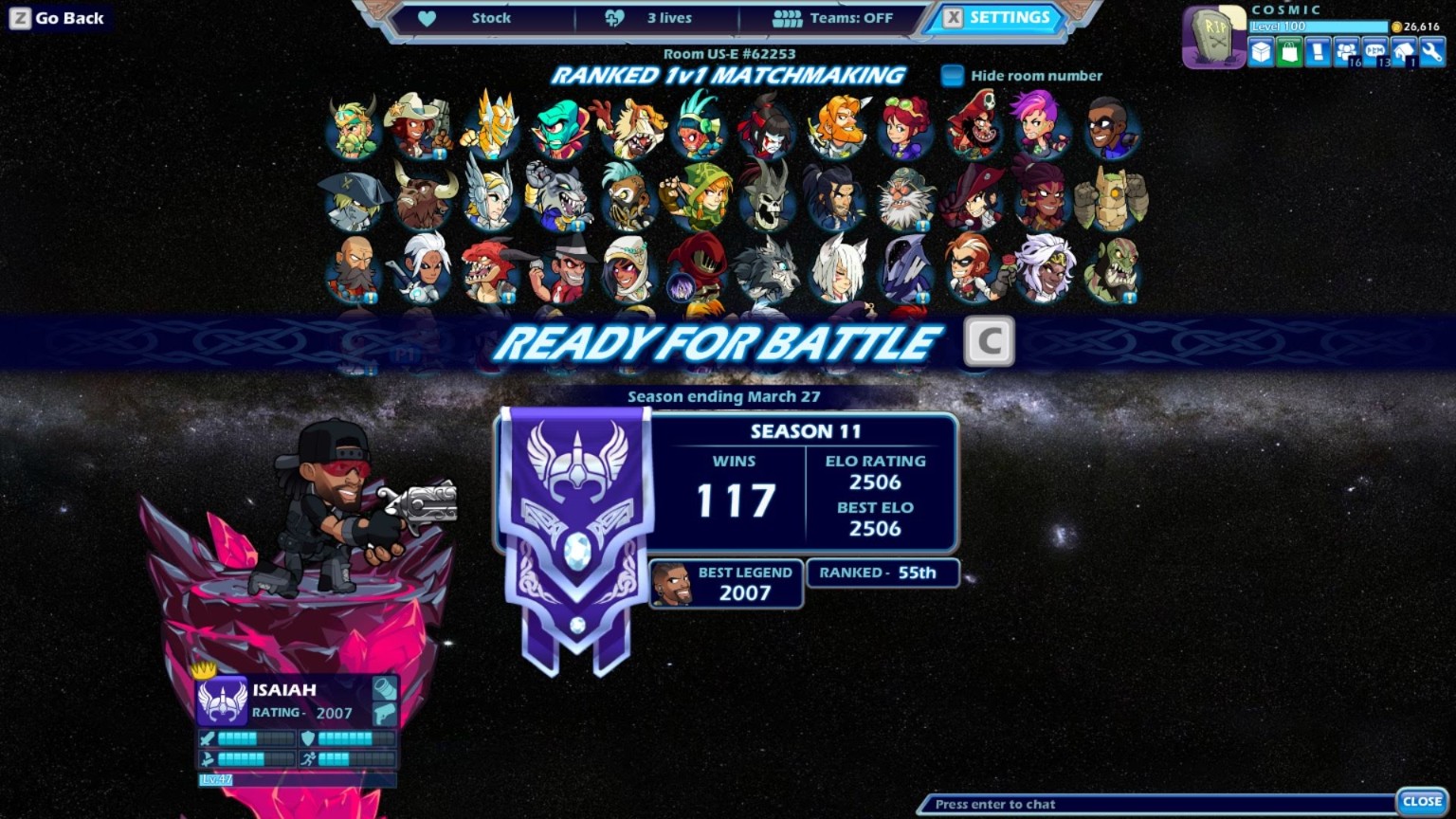
2466 account Elo · US-East #24 Separate snapshot: 2506 account Elo · US-East #55
Season 12
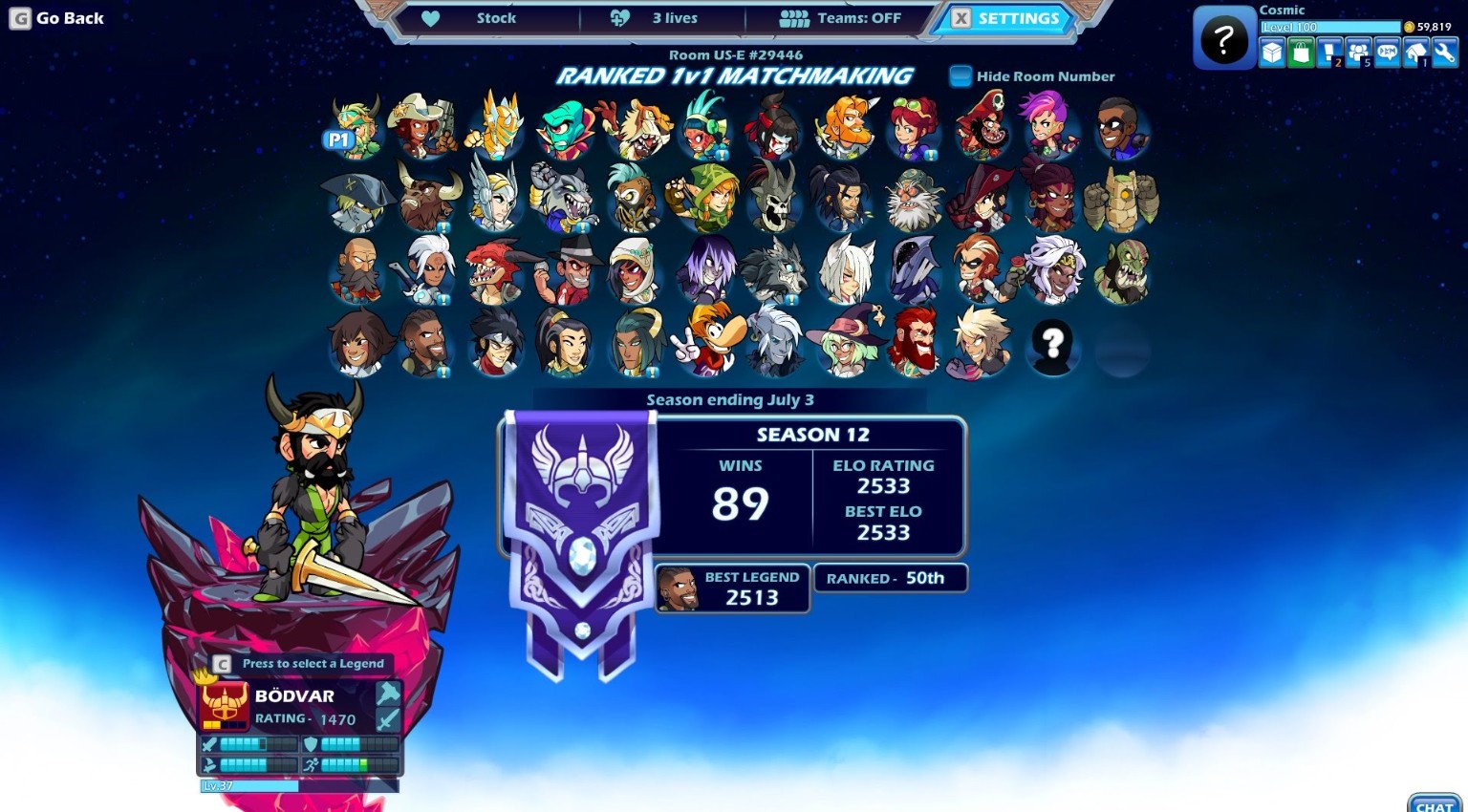
2533 account Elo · US-East #50 Separate Isaiah legend rating: 2513
Season 25
2532 account Elo US-East rank #57
Season 28
2405 and 2457 account Elo Separate legend ratings of 2468 and 2501
Season 39
2501 account Elo US-East rank #105
Each ranked result belongs to its season and the moment it was captured. The regional positions are recorded snapshots.
Beyond one title
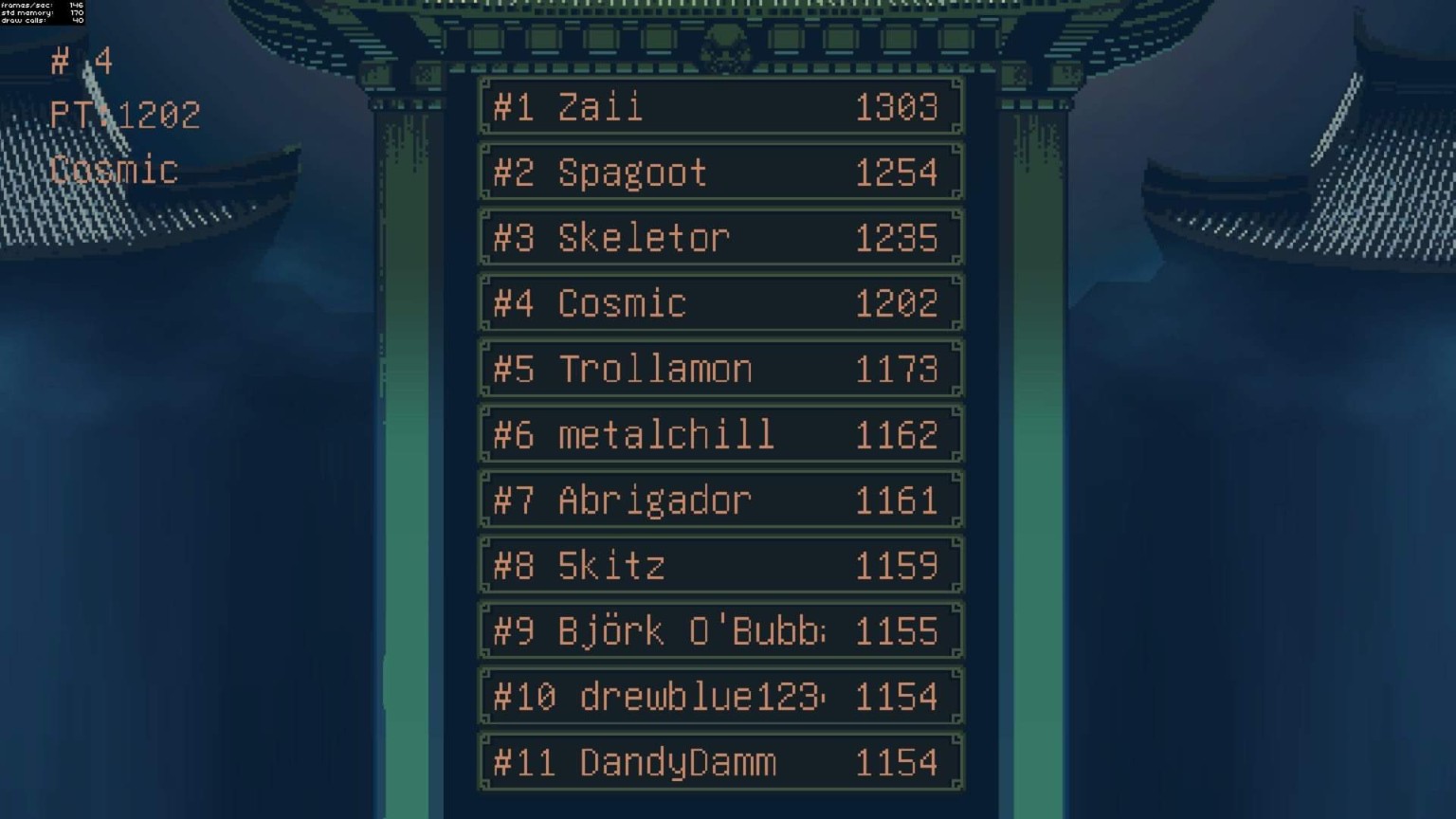
Roof Rage · historical leaderboard #4 · 1202 points. That result is part of the history too. The original screenshot is here to look at.
My broader competitive background includes Tekken, BlazBlue, Injustice, Naruto fighting games, Call of Duty, Paladins, and Roof Rage. Moving between games keeps bringing me back to the same question: what understanding carries over, and what do I still need to learn here?
The original captures
Ranked screenshot collection
Every capture gets the same space here. These are historical snapshots, each showing its own game, rating, and leaderboard position at the moment it was taken. Open any image to inspect the original in full.
The 49 placements come from my compiled screenshot record and its corrections. You can also open the original Season 11 to 12 and Roof Rage images above. The later seasons are recorded in the index; a complete bracket-by-bracket archive is still outside this page.
The Moose Wars 7th and 9th places were separate events. A possible third win still needs to be checked for overlap, so it stays out of the total. Ranked snapshots are kept separate from event placements, and repeated images are counted once.
The full-screen ranked captures show US-East. The Roof Rage screenshot shows #4 and 1202 points, with no date or regional/global label visible. I’ve kept results with unresolved details out of the totals.
Experience, translated into education.
Competition gave me experience to work from. COS:CORE is how I’m turning that experience into something another player can study, practice, and eventually use on their own.
Some of my most important work happened in the explanation, the review, and the practice before a player queued again.
I’ve contributed through coaching, public guides, team work, and resources that put competitive ideas into a form other people can use. The public record helps trace that quieter part of the journey.
2019
A framework players could return to.
Enlightenment of the Meta was published on Steam on August 11, 2019. It organized explanations around match states, spacing, engagement, and practice. That is a dated contribution to the learning resources available to the community.
Historical student reviews describe identifying errors, clearer explanations, and useful practice guidance. Jonathan’s December 2020 review specifically connects a session with the usefulness of my Steam guides. These are individual accounts of the work being used.
The archived Steam optimization posts from September 2021 and February 2022 document another kind of contribution: helping the community discuss its playing environment. They establish participation in that discussion; they do not establish first-invention credit or prove a later developer change was caused by them.
The Ultimate 2v2 Guide, created with Coach Carnage and published on September 2, 2023, brought roles, communication, follow-ups, and practice into a shared teaching resource.
The handbook, COS:CORE frameworks, and eSpotz Academy partnership carry the teaching into a broader educational project. The next stage is still being built, with its status recorded on the roadmap.
I want the work to travel through the people who use it.
The record shows contributions and specific accounts of their value. A full measure of their effect on the entire Brawlhalla landscape would need more evidence than a timeline alone.
A chapter of the journey
Creating, connecting, and building community.
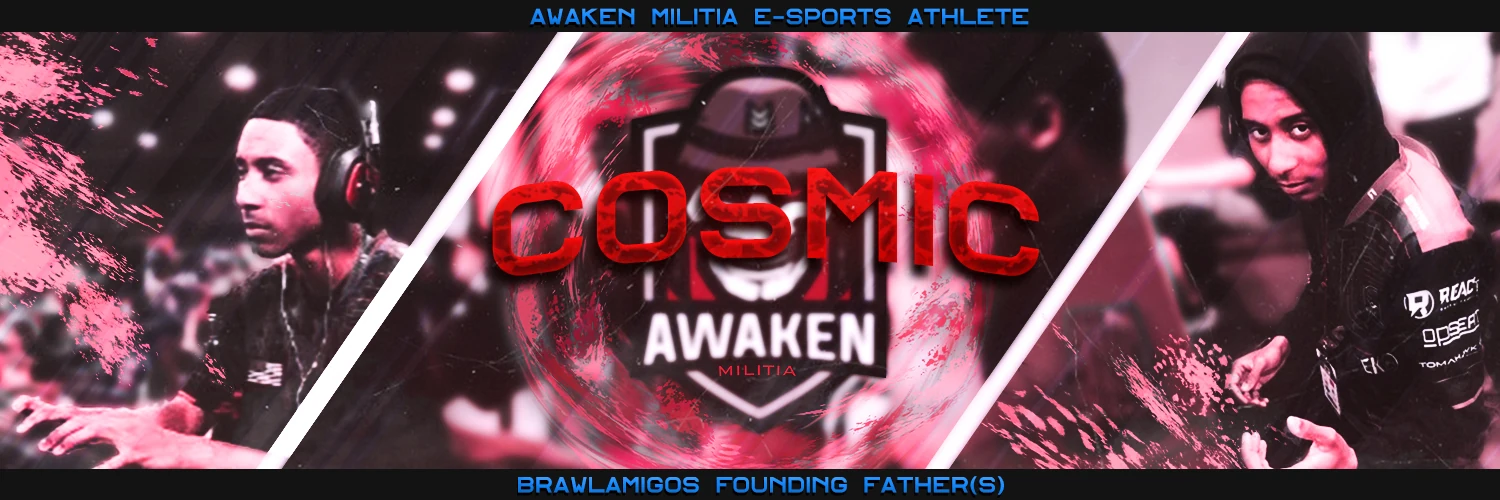
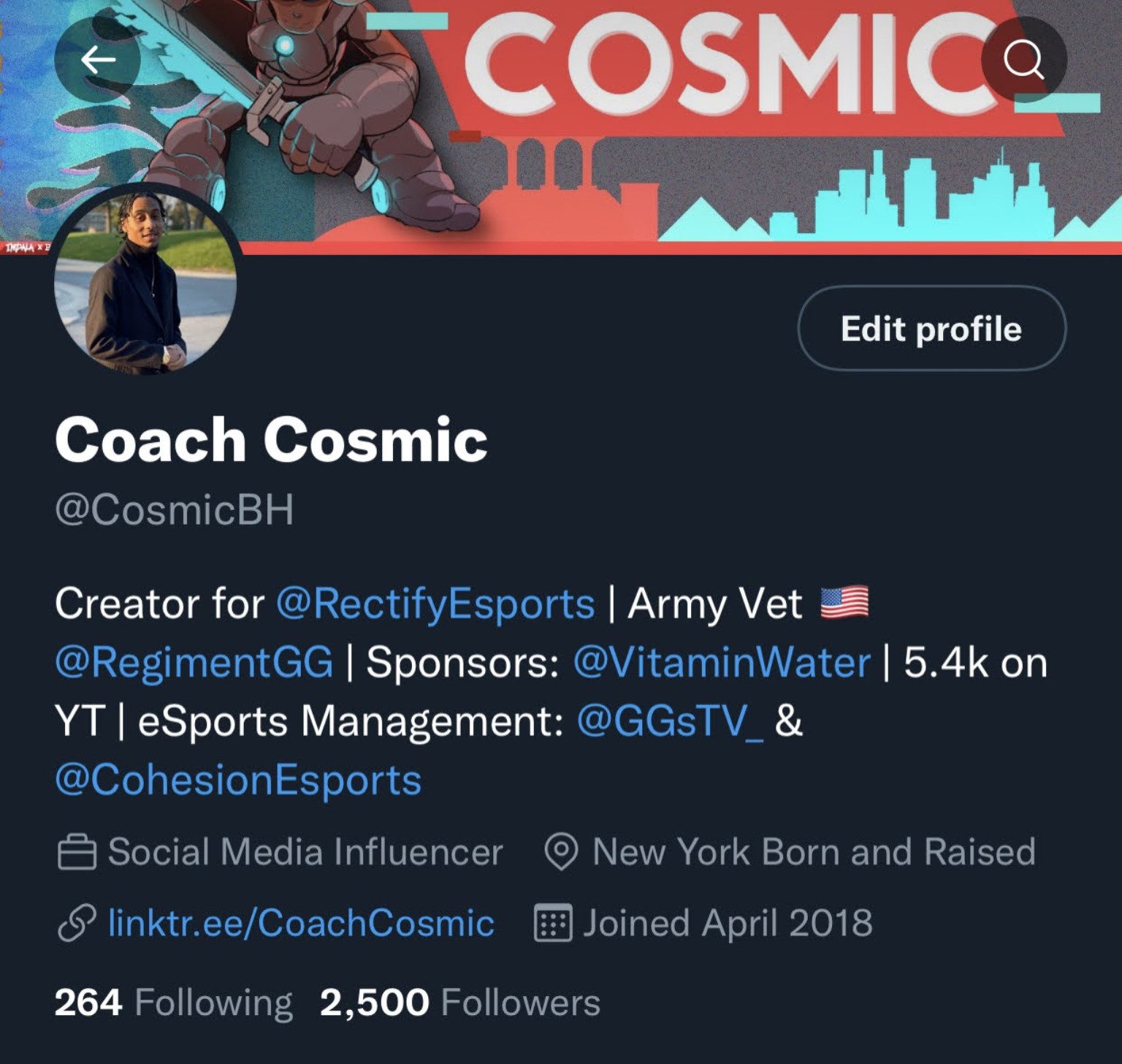
The videos, the teams, and the people I met became part of the journey too. An earlier Twitter profile captures that chapter: creating with Rectify Esports, connecting with RegimentGG, and listing GGsTV and Cohesion Esports under esports management.
That profile recorded 5.4k on YouTube, 2,500 Twitter followers, and VitaminWater under sponsors. It is an undated snapshot of that stage of the work. The original announcements are also part of the X highlights.
A move is local. A concept transfers. A system scales.
I start with the player. What do you understand? What can you show me? What keeps breaking down in the match? Your rank gives me some context. Your decisions give us something to work on.
Identity before instruction
Understand the player’s strengths, goals, and way of thinking. Help them grow while keeping the intelligence they already bring to the game.
Evidence before assumption
Look at what happened. Test the explanation. If the evidence changes, the plan needs to change with it.
Practice that survives pressure
Explain it, practice it, then put it against someone who can respond. We need to see the skill show up in a match.
Independence as the outcome
I want the player to recognize the problem, choose a response, and explain why it makes sense. That is something they can keep using after the session.
That is the process running through the handbooks: diagnose, train, test, reflect, and adjust. Keep asking what happened, what worked, and what needs to change.
The supporting record
See the examples. Hear from players.
I keep learning across education, coaching, AI, projects, marketing, leadership, IT, and safety. The complete collection is here so you can see the range and the records behind it.
My work moves between coaching a player, analyzing a match, supporting a team and building a curriculum. These are the professional roles I use to describe that work.
eSports Coach
Independent coaching, live feedback, VOD review and structured practice built around a player’s decisions.
Cross-game competitive experience and a coaching framework that connects decisions, adaptation and disciplined practice. The FGC branch is expanding from that work.
Organization-focused work connects player development, team support and the systems around a competitive scene. The Forge is an ecosystem project in development within that wider work.
Bring the matches and the questions. We can work through decisions, routes, matchups, and the habits that keep showing up. The goal is a plan you understand well enough to practice.
Two strong players still have to learn how to play together. We work on communication, roles, positioning, handoffs, and reviewing the decisions as a team.
I work on lessons, resources, practice progressions, and assessments that help people learn. If you’re building an esports program, let’s talk about the learners and what you want them to be able to do.
Let’s put the ideas to work. I’m interested in coaches and educators who want to test the methods, challenge the reasoning, and see how the concepts hold up across games and learning environments.
The Five Pillars give the work its structure. Weapon maps, practice cycles, and worksheets give the player something to do with it. I want the ideas to make sense when you take them into a match.
What carries over when a strong player enters a new game? What still needs to be learned? This framework works through those questions with game-family adapters, diagnostics, and practice tested against live play.
A development manuscript built from my work, Coach Carnage’s work, and Stay Golden GG materials. It connects Brain, Execution, Life, and Business with stages coaches can teach and families can understand.
Manuscript overview · Full text not hosted here.21 pages
Brawlhalla: Enlightenment of the Meta
An earlier guide I wrote around advantage, disadvantage, neutral, engaging, escaping, optimization, space management, and the weapons. The balance opinions belong to that period; the document is part of how the teaching developed.
I’m building The Forge around the wider scene: competitive activity, player visibility, and the systems that help people connect. The announcement gives a look at where I’m taking the project.
Useful knowledge. Independent learners. Something that lasts.
I want this work to keep helping people after the session ends, the patch changes, or they move into a different game.
I want players to understand their own decisions. I want coaches to have methods they can explain and test. I want educators to take the resources and make them useful for the people they teach.
I’m building COS:CORE’s certification curricula toward something I want to one day be known as “The CompTIA of esports.” A place where people can see a path, learn the work, apply it, and show what they understand.
The years of competition, coaching, service, and classroom work are part of the foundation. The continued enlightenment is how I keep adding to it.
COS:CORE is where I put the learning together. The Forge is where I’m building around the wider ecosystem. Coaching is where I sit with a real person and find out whether the ideas are useful.
I want the knowledge to keep helping people when I’m no longer the person explaining it.